There used to be a very simple playbook for success: get a job, buy a house with a white picket fence, own a reliable car, and eventually retire to Florida to play terrible golf. That was the American Dream. Now? You’re lucky if you can afford the monthly subscription fee for the golf app on your rented iPhone. Let’s be real: the dream hasn’t died; it’s just been put behind a paywall.
Welcome to the subscription economy, where the goal isn’t to sell you a product once, but to rent it to you forever. We are sprinting toward a future where owning nothing isn’t just a dystopian conspiracy theory—it’s standard operating procedure. And the wildest part? We are completely fine with it, as long as it comes with free two-day shipping.
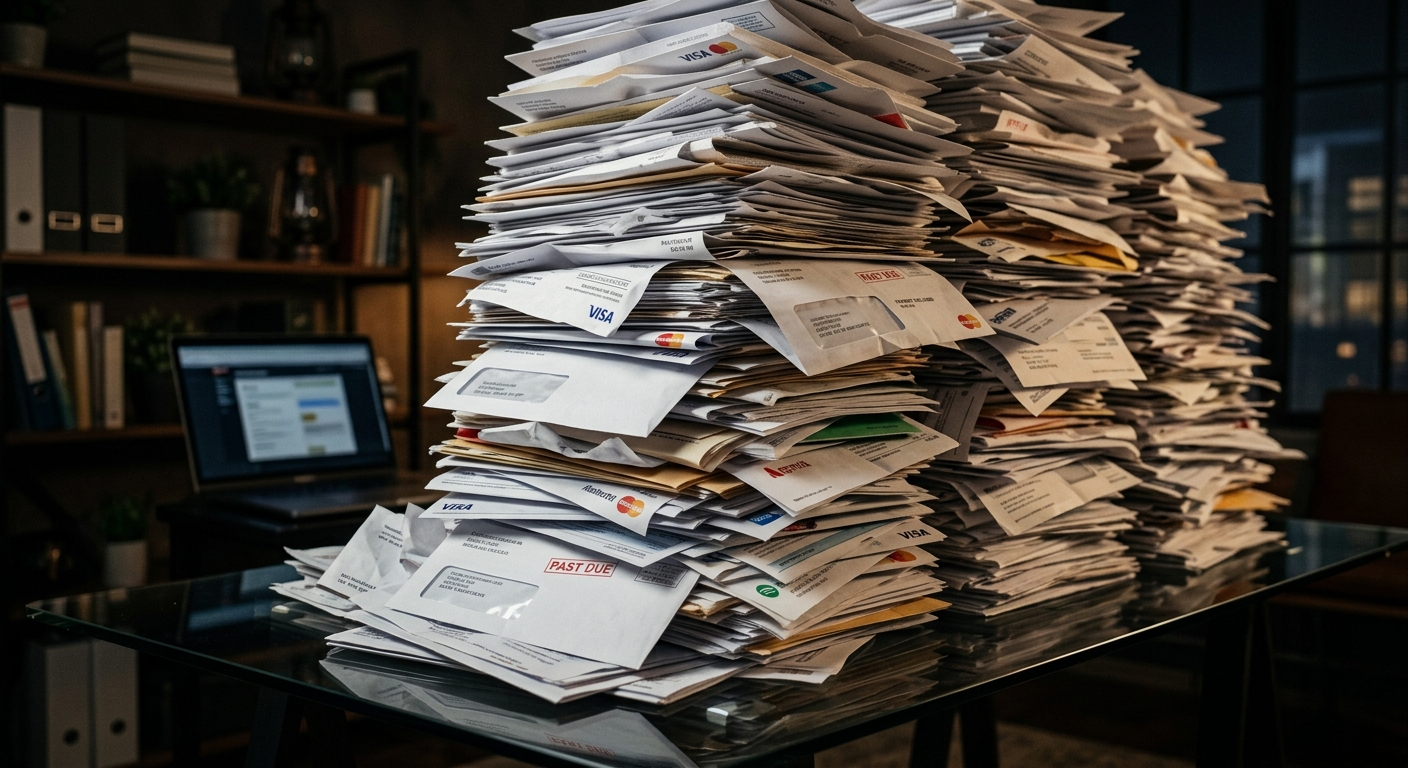
1. The Death of Ownership
Remember when you bought a movie on DVD and it was just… yours? Forever? Those days are gone. Today, we rent access to our music, our movies, our software, and our data storage. We don’t own our tools; we lease our lifestyle. This is the core of the subscription lifestyle.
The transition was brilliant. It started with small things—Netflix instead of Blockbuster, Spotify instead of CDs. But then the rot spread. Now, car manufacturers want to charge you a monthly fee to unlock the heated seats that are already physically installed in the car you bought. You are paying a toll just to use your own property. The modern housing market works the same way: with skyrocketing interest rates and hedge funds buying up single-family homes, an entire generation has been permanently priced out of ownership and forced into perpetual tenancy.
2. Everything as a Service (EaaS)
*Cue dramatic sigh.* Here is the terrifying reality of ‘Software as a Service’ bleeding into the real world. When you rent everything, you have zero equity. You are pouring water into a bucket with a massive hole in the bottom. You work 40 hours a week to generate income, and by the 5th of the month, 80% of it has been automatically drafted by landlords, streaming services, leasing companies, and cloud storage providers.
This endless cycle of micro-transactions ensures you have to keep grinding away on the hamster wheel just to maintain access to the things that make the wheel bearable. It’s a brilliant system for the corporations at the top. For the rest of us? It’s a beautifully decorated, highly convenient financial trap. You are renting the American Dream instead of building it.
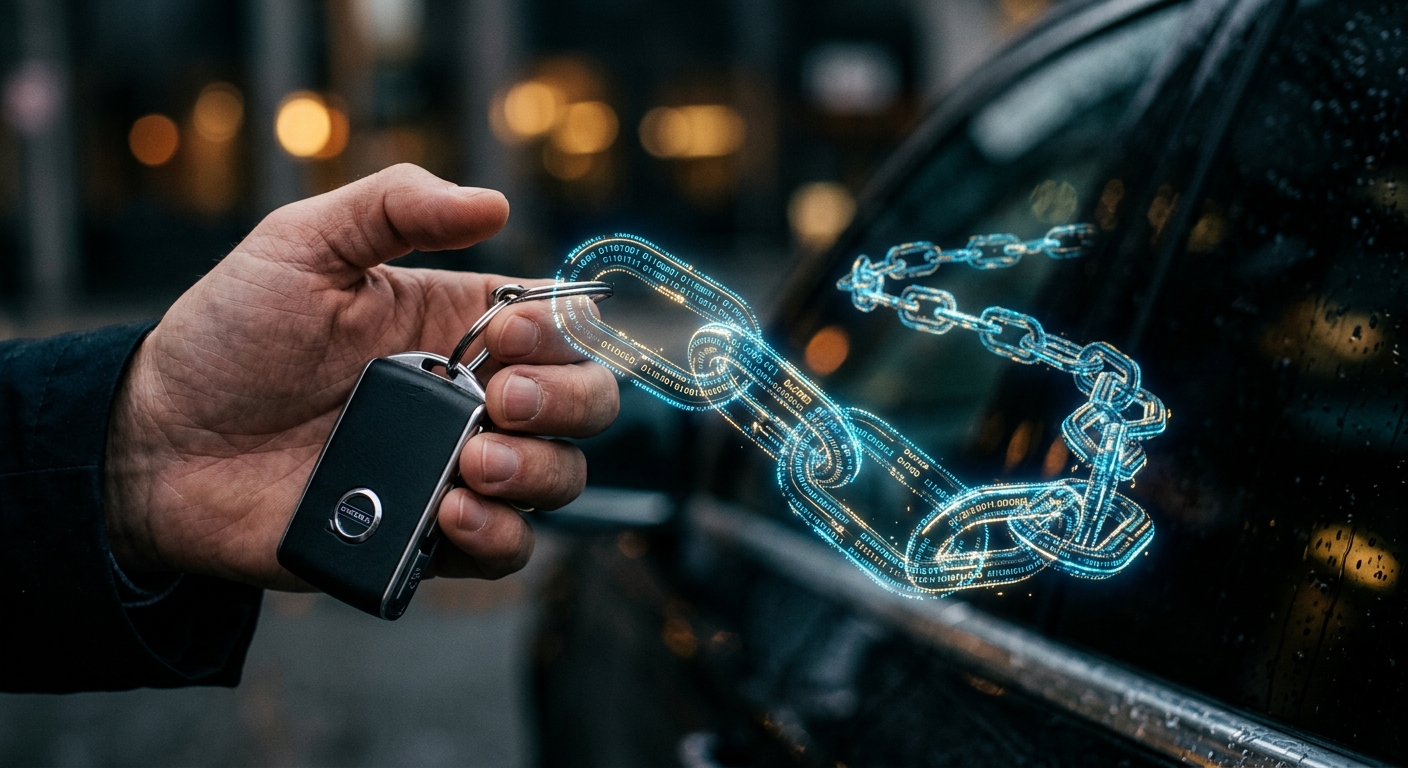
3. The Convenience Trap
Why do we put up with this? Because it is so unbelievably convenient. You don’t have to fix the roof of an apartment you rent. You don’t have to store 500 DVDs if you have Netflix. You don’t have to maintain a server if you use the cloud.
But convenience is a Trojan horse. When you trade ownership for convenience, you also trade control. If a streaming service loses the rights to your favorite show, it disappears. If a software company decides to double their monthly fee, you have to pay it or lose all your work. You are entirely at the mercy of the corporations holding the keys. We are trading long-term stability for short-term ease, and it’s making us incredibly fragile.
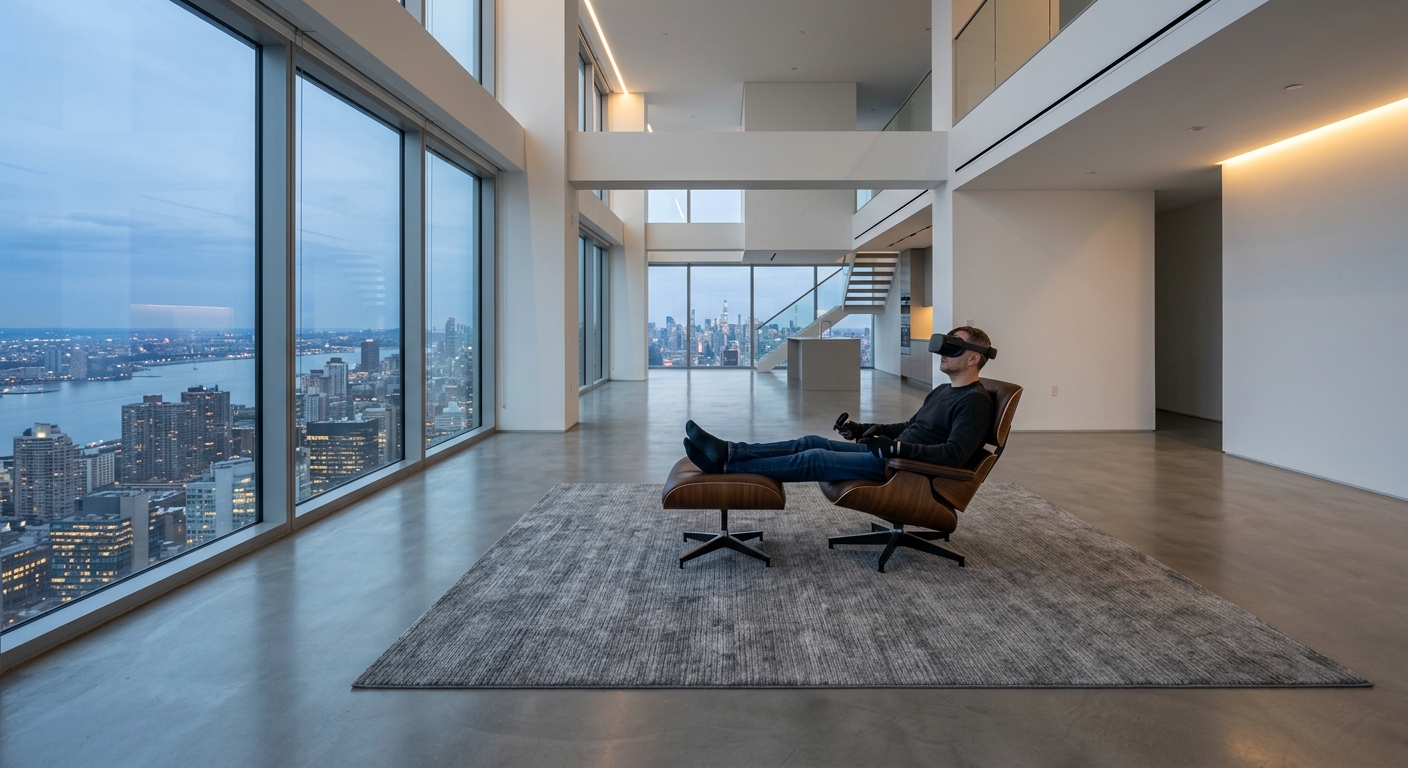
4. How to Buy Back Your Freedom
So, are we doomed to be eternal renters in a corporate-owned world? Not necessarily. But escaping the subscription economy requires intentional effort. It means choosing to buy instead of rent whenever possible, even if it hurts your wallet in the short term.
Start small. Cancel the subscriptions you haven’t used in a month. Buy physical copies of the media you truly love. Support open-source software that doesn’t charge a monthly fee to use a word processor. And most importantly, recognize the psychological trick being played on you: convenience is not the same thing as freedom.
They promised you that you would own nothing and be happy. Half of that statement is definitely coming true. The other half is entirely up to you.
2 thoughts on “Renting the American Dream: Why You Will Own Nothing and Be Happy”