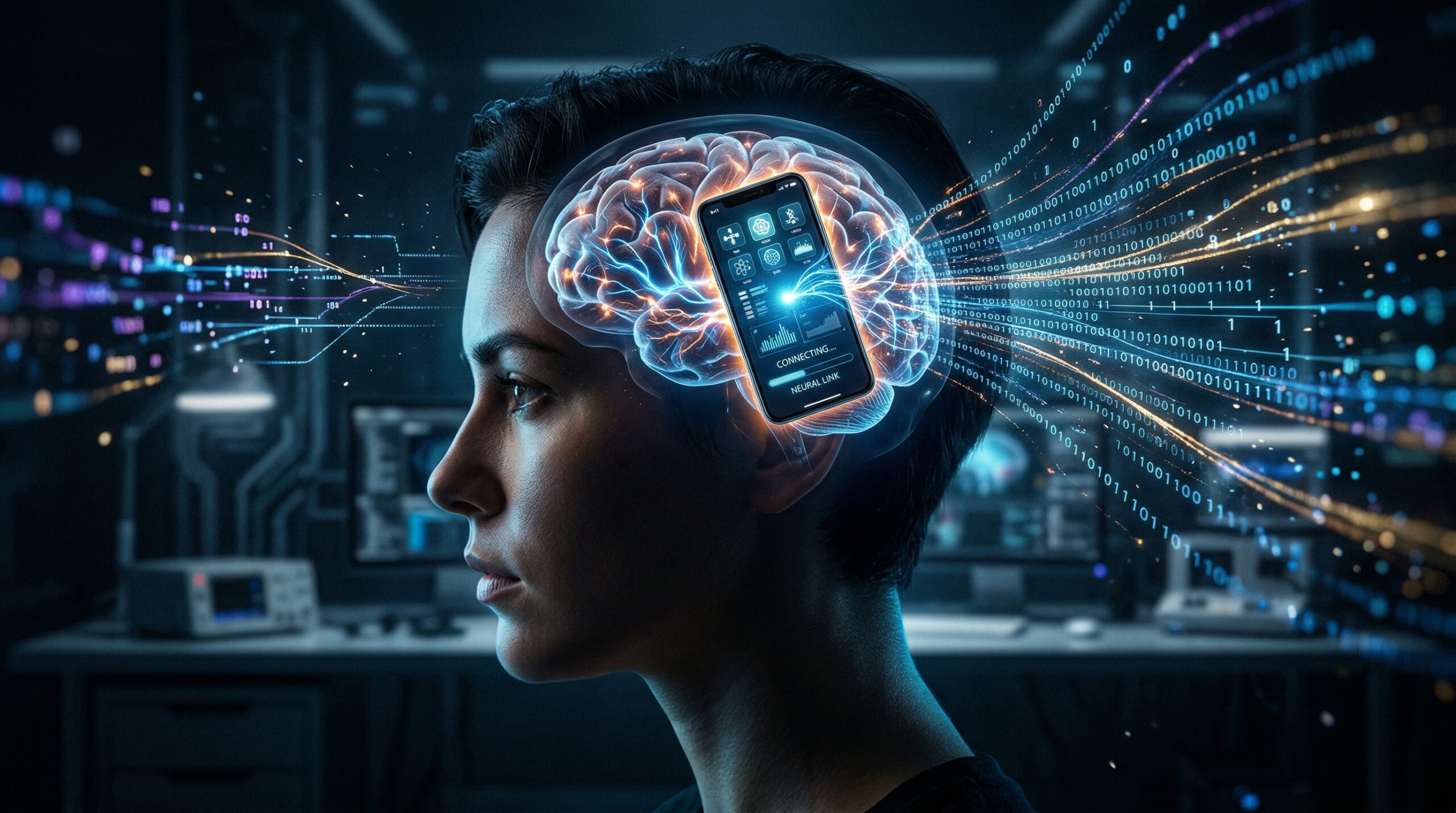
Outsourcing Our Brains: Why We Can’t Remember Anything Anymore
Do you ever feel like you can’t remember your own phone number, let alone the directions to a new restaurant without Google Maps? You’re not alone. Welcome to the era of digital amnesia.
What is Digital Amnesia?
Digital amnesia, often referred to as the Google Effect, is the tendency to forget information that can be found easily online. When we know that our smartphones, search engines, and cloud storage systems hold the answers, our brains implicitly decide not to encode that information into long-term memory.
Think about it: how many phone numbers of your closest friends and family members do you actually have memorized? In the 1990s, the average person could recall dozens of numbers. Today, we rely entirely on our digital contact lists. This phenomenon is a prime example of cognitive offloading—using physical actions, like saving a file or setting a calendar alert, to alter the information processing requirements of a task so as to reduce cognitive demand.
The Science of Cognitive Offloading
Our brains are incredibly efficient, constantly looking for ways to conserve energy. When presented with the opportunity to “offload” information to a reliable external source, the brain jumps at the chance. Studies have shown that when people expect to have future access to information, they have lower rates of recall of the information itself, but enhanced recall of where to find it.
In one famous experiment, participants were asked to type out trivia facts into a computer. Half were told their work would be saved, while the other half were told it would be erased. Those who believed the information was securely stored remembered significantly fewer facts than those who thought it would be lost. We aren’t necessarily losing our memories; we are just changing what we remember. We’ve shifted from remembering the what to remembering the where.
How Smartphones Affect Memory and Brain Structure
The constant presence of a digital safety net isn’t just changing our habits; it may actually be altering our brain structure. The hippocampus, a region of the brain critical for spatial navigation and episodic memory, is heavily relied upon when we navigate without assistance. When we blindly follow GPS directions step-by-step, we disengage our hippocampus.
- Spatial Memory Decline: Relying on GPS means we don’t build internal maps of our environment, leading to a poorer sense of direction.
- Attention Fragmentation: The constant pinging of notifications interrupts the consolidation process required to move short-term memories into long-term storage.
- Shallow Processing: Because we know information is readily available, we rarely engage in the deep, critical thinking necessary to truly internalize and understand complex concepts.
Is Outsourcing Our Brains Inherently Bad?
It’s easy to look at cognitive offloading as a purely negative consequence of the digital age. However, there is a silver lining. By freeing up cognitive space that would otherwise be used for rote memorization, we theoretically have more mental bandwidth for higher-order thinking, creativity, and problem-solving.
If Einstein supposedly said he never bothered to memorize anything he could look up in a book, perhaps offloading trivia to Google isn’t a disaster. The danger arises when we offload the wrong things. We shouldn’t offload the critical thinking, the analysis, or the emotional connections that form the core of human experience.
Reclaiming Your Memory: 5 Practical Steps
If you’re worried about the effects of digital amnesia on your daily life, there are actionable steps you can take to strengthen your organic memory.
1. Implement Tech-Free Zones and Times
Designate specific areas of your home, like the bedroom or dining room, as tech-free. Additionally, establish periods during the day where you disconnect completely. This allows your brain uninterrupted time to consolidate memories without the constant influx of new digital information.
2. Practice Active Recall
Instead of immediately reaching for your phone when you can’t remember a fact or a name, give yourself a few minutes to try and retrieve it from your own memory. The struggle to remember actually strengthens the neural pathways associated with that information.
3. Navigate Without GPS
Challenge yourself to navigate familiar routes, or even slightly unfamiliar ones, without relying on Google Maps or Apple Maps. Study the route beforehand, build a mental map, and trust your spatial memory.
4. Embrace Boredom
Our brains need downtime to process information and form long-term memories. When we constantly fill every idle moment with scrolling or swiping, we rob our brains of this crucial processing time. Allow yourself to be bored occasionally; it’s essential for cognitive health.
5. Read Physical Books
Reading physical books, rather than screens, encourages deeper engagement and sustained attention. The tactile experience of a book also provides spatial cues that aid in memory retention and comprehension.
Conclusion: Finding the Balance in the Digital Age
We are not going to return to an era without smartphones and search engines, nor should we want to. The key is to find a healthy balance between utilizing technology as a tool and allowing it to become a crutch. By understanding the mechanisms of digital amnesia and cognitive offloading, we can make conscious choices about what we outsource and what we keep safe within the confines of our own minds.
The next time you reach for your phone to look up an answer, pause. Ask yourself if it’s something worth committing to memory. Your brain, much like a muscle, needs exercise to stay sharp. Don’t outsource the heavy lifting entirely to the machine.
Frequently Asked Questions (FAQ)
What is digital amnesia?
Digital amnesia, or the Google effect, is the tendency to forget information that is easily accessible online or stored on digital devices.
How does cognitive offloading work?
Cognitive offloading involves relying on external tools (like smartphones, calendars, or search engines) to reduce the mental effort required to remember or process information.
Is using GPS bad for your brain?
Over-reliance on GPS can lead to the underuse of the hippocampus, the brain region responsible for spatial navigation and memory, potentially leading to a decline in our natural sense of direction.
Can digital amnesia be reversed?
Yes, by actively practicing memory retrieval, reducing screen time, and engaging in activities that require deep focus and spatial awareness, you can strengthen your cognitive abilities and mitigate the effects of digital amnesia.