If you wanted to trap someone a few centuries ago, you’d have to forge physical chains out of iron, drag them around, and hire someone to guard them. It was a logistical nightmare. Today? We’ve streamlined the process significantly. We simply hand you a shiny plastic card, whisper the words “0% APR for the first six months,” and wait for human nature to do the rest. Welcome inside the Debt Machine.
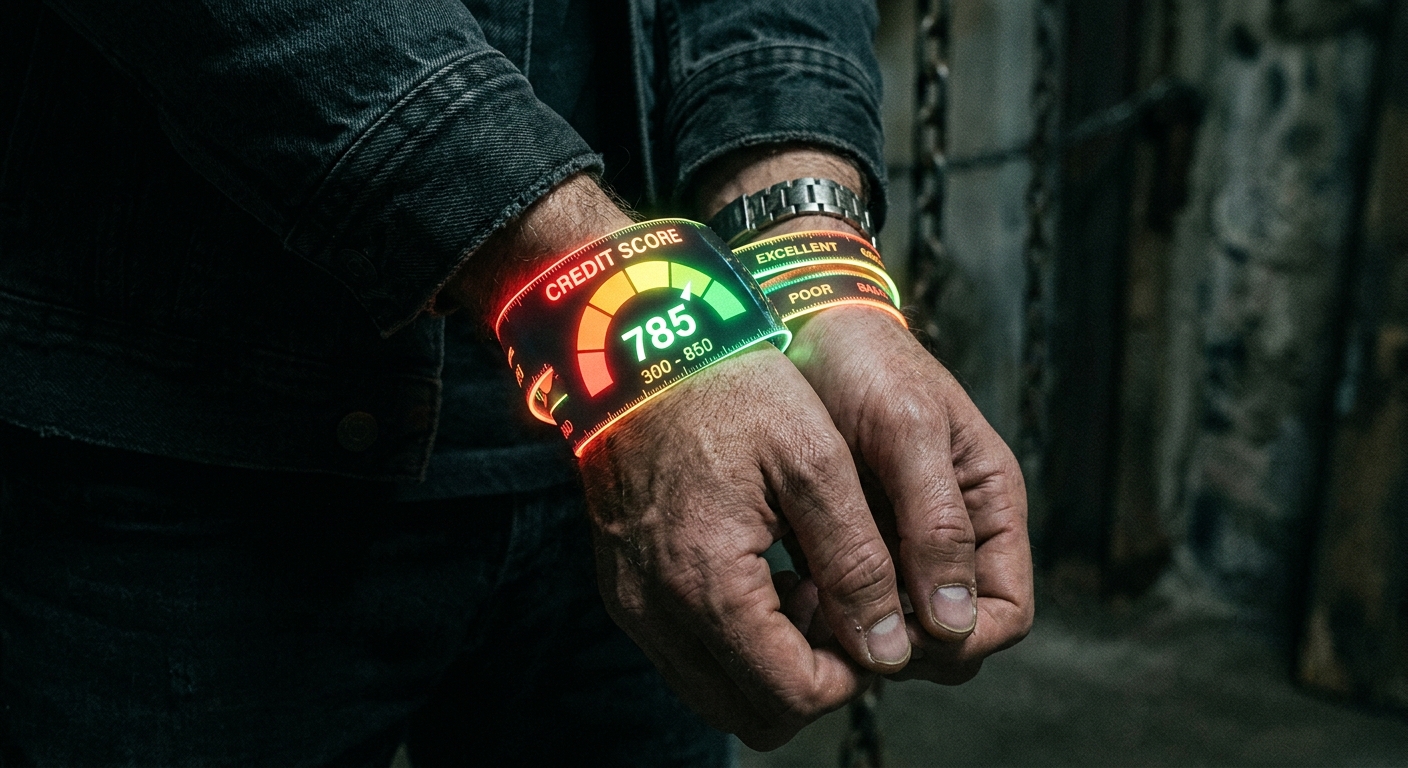
We have built an entire societal structure where the most powerful chains you wear don’t go around your wrists—they go into your wallet. The physical chains of the past have been elegantly replaced by a three-digit number that dictates where you can live, what you can drive, and increasingly, whether you can get a job. Let’s talk about how credit scores became the ultimate leash.
1. The Illusion of Free Money
There is a terrifying psychological disconnect that happens when you swipe a credit card. If you hand someone a crisp bill, your brain registers the physical loss of resources. It hurts. But when you swipe a piece of plastic, or worse, double-tap the side button on your Apple Watch, the transaction feels practically imaginary. *Boop.* Suddenly, you own a Vitamix blender.
This is the fundamental hook of the Debt Machine. It decouples the pain of purchasing from the joy of acquiring. By the time the pain arrives 30 days later via a statement balance, the joy has completely faded. But you are now hooked. You are paying compound interest on a dopamine hit you experienced a month ago. This system isn’t designed to help you build wealth; it’s designed to siphon your future labor to pay for your past impulses.
(We explored how we constantly lease our lifestyle in our piece on Renting the American Dream. The debt machine is the engine that makes renting mandatory.)

2. The Three-Digit Warden
Let’s talk about the credit score. It’s essentially an adult report card that you never asked to take, graded by three massive corporations you’ve never met, using an algorithm they refuse to fully explain.
We are told that a high credit score is a sign of financial maturity. In reality, a high credit score simply means you are highly profitable to lenders. It means you borrow money and pay it back consistently. The ultimate paradox of the credit score is that if you live entirely debt-free, pay cash for everything, and owe nobody a single dime, your credit score will plummet to zero. The system punishes financial independence. It actively demands that you stay on the leash to prove you are a “good dog.”
(This invisible control system is eerily similar to how digital platforms manipulate us. Read more about the Algorithm as the New Warden.)
3. The Chains of Minimum Payments
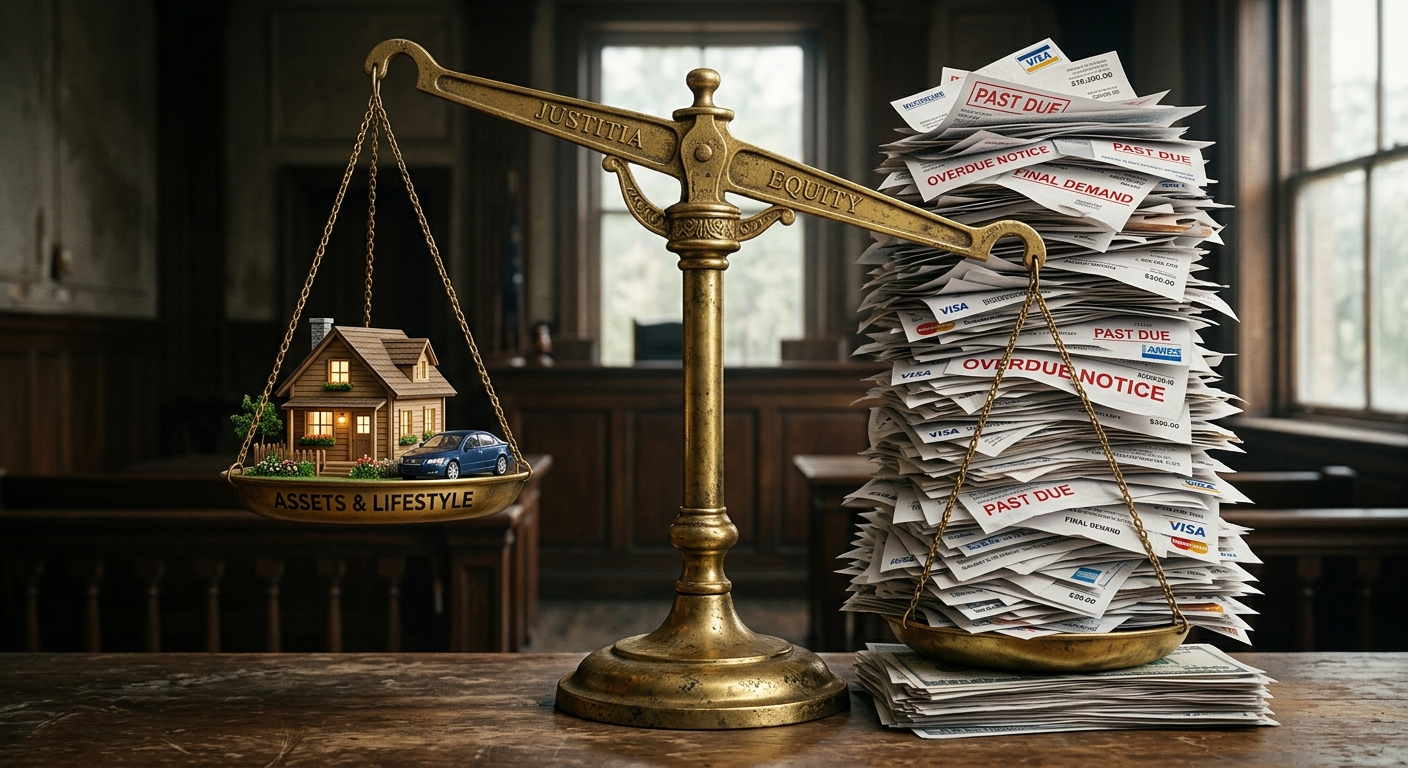
Here is where the math gets truly evil. If you have a ,000 balance on a credit card with a standard 20% interest rate, and you only make the minimum payment every month, it will take you over 15 years to pay it off. You will end up paying more in interest than the original ,000. You are literally buying the item twice, and the credit card company is pocketing the difference.
The minimum payment is not a suggestion designed to help you; it is a carefully calculated mathematical trap designed to keep you paying interest for as long as legally possible without forcing you into bankruptcy. It is the perfect length of chain—just long enough for you to graze in the pasture, but never long enough for you to run away.
4. Breaking the Cycle
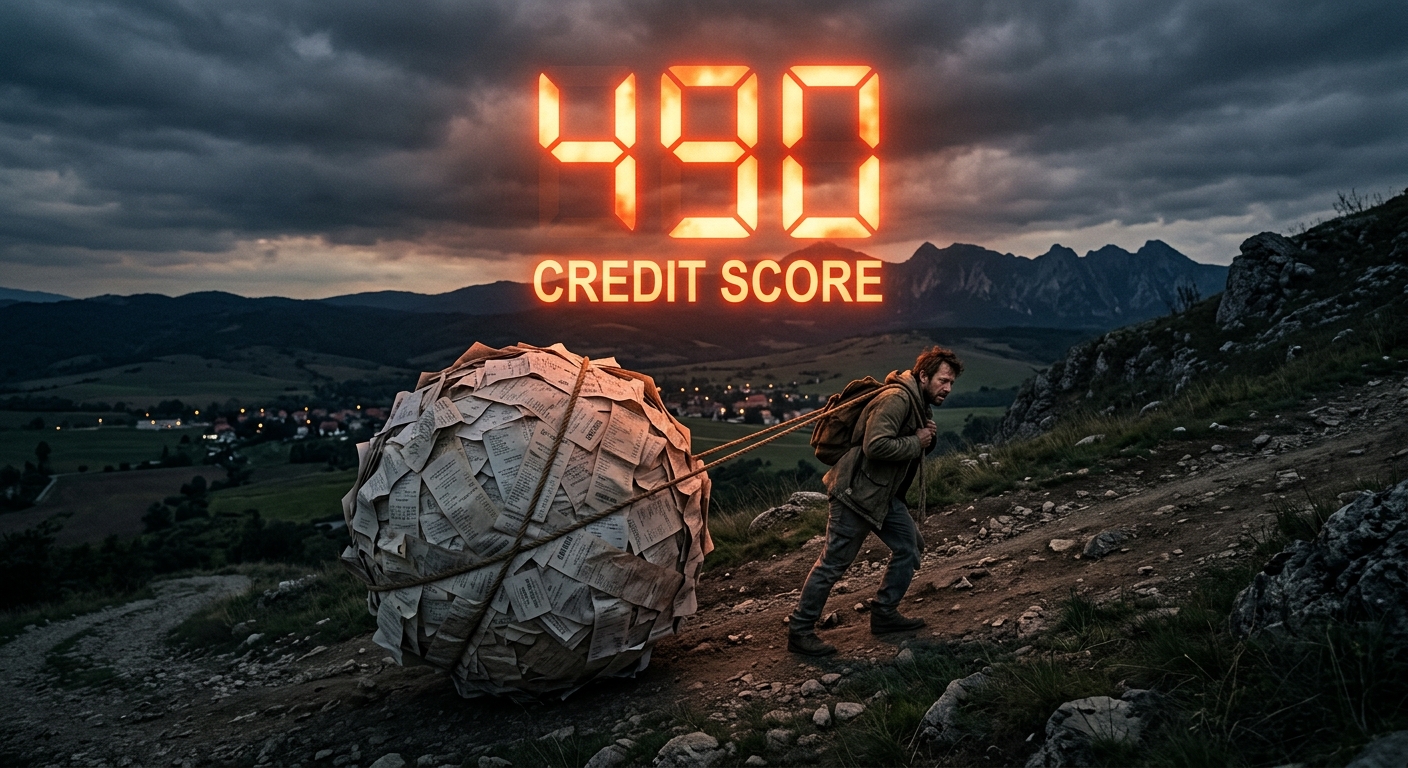
So, how do you escape a system that punishes you for not participating? You do the one thing the Debt Machine hates: you stop borrowing money. You accept the social friction of driving a slightly older, paid-for car. You save up cash for the vacation instead of putting it on the airline rewards card (because let’s be honest, those “free” miles cost you in interest).
Escaping the credit trap requires a fundamental shift in mindset. You have to realize that credit scores are not a measure of your worth; they are a measure of your leverageability. The moment you decide to operate on a cash basis, the chains simply fall off. The plastic card loses its power, and for the first time in a long time, you get to keep the money you actually earned.
Cut the plastic. Save the cash. And let the three-digit warden find someone else to guard.