The Roman Colosseum was a marvel of ancient engineering. Thousands of spectators would pack the stands to watch desperate people fight for their lives, hoping to win the favor of the Emperor and the roar of the crowd. Today, the blood is gone, but the arena remains. It’s just been digitized. The weapons are ring lights and selfie sticks, the Emperor is an opaque algorithm, and the gladiators are called influencers, begging for digital scraps in the modern Colosseum.
The Illusion of the Glamorous Life
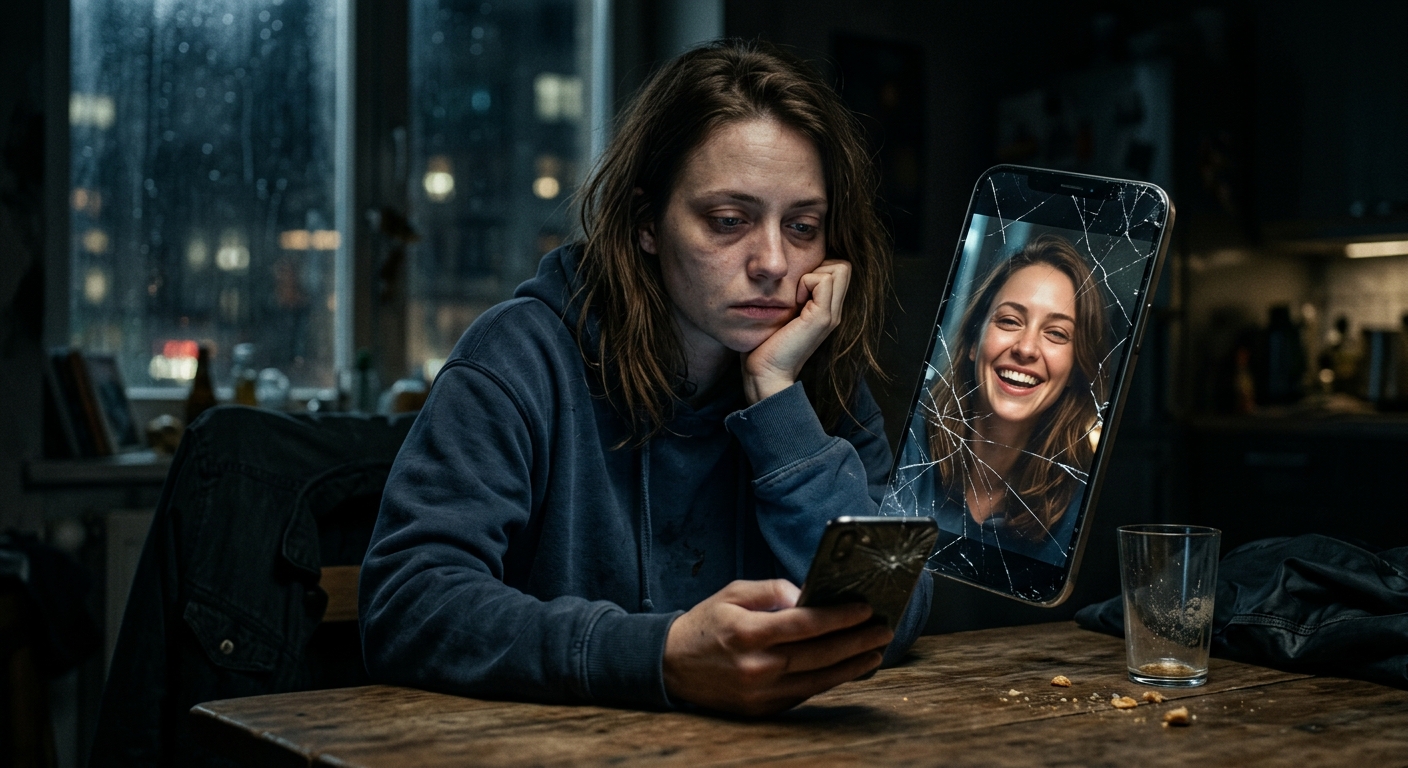
If you ask a classroom of children today what they want to be when they grow up, a terrifying percentage will say “YouTuber” or “Influencer.” And why wouldn’t they? The marketing campaign for the influencer lifestyle is flawless. We are sold a vision of perpetual vacation, free luxury goods, and effortless wealth. It looks like the ultimate cheat code to capitalism: get paid simply to exist and be attractive.
But the reality behind the carefully curated grid is much darker. For every one influencer making millions and attending the Met Gala, there are a hundred thousand micro-influencers grinding themselves to dust. They are trapped in a relentless content creation treadmill, dancing to trending audio, unboxing cheap fast-fashion hauls, and baring their personal traumas for a hit of engagement.
They aren’t business owners. They are gig workers for Big Tech, producing the free labor that keeps the platforms running. Instagram, TikTok, and YouTube don’t have to hire writers, actors, or directors. They just built the arena and convinced the masses to entertain each other for the slim chance of internet fame.
Dancing for the Algorithm
In the digital Colosseum, the algorithm is a fickle, terrifying god. You cannot negotiate with it. You cannot appeal to its sense of fairness. One day, it favors your content, and the dopamine (and sponsorship money) flows. The next day, it changes the rules without warning, and your reach drops by 90%.
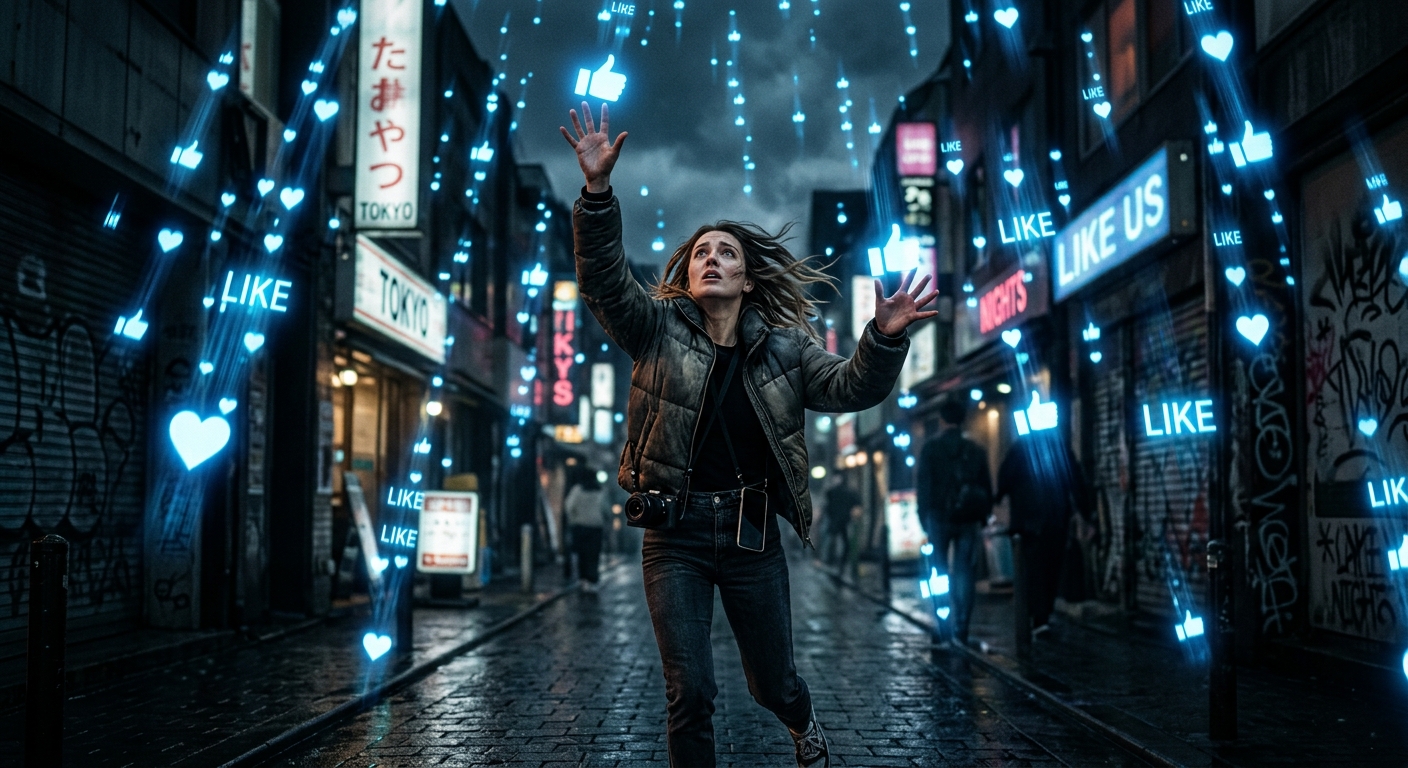
This creates a psychological environment of sheer terror. Influencers live in constant fear of irrelevance. To stay in the algorithm’s good graces, they must post constantly. Vacations aren’t breaks; they are content opportunities. Relationships aren’t private; they are storyline arcs. Even mental breakdowns can be monetized if the lighting is right.
When your entire sense of self-worth—and your primary income stream—is tied to the approval of strangers on the internet, you lose ownership of your own identity. You become a product. You optimize your personality based on what plays well in the comments section. The person on the screen stops being human and becomes an avatar, trapped in a performance that can never end.
The Commodification of Authenticity
The greatest irony of influencer culture is its obsession with “authenticity.” Audiences got tired of the hyper-polished, magazine-style aesthetic of the early 2010s. They demanded realness. So, the influencers adapted. They started posting “casual” photo dumps, crying on camera, and talking about their struggles.
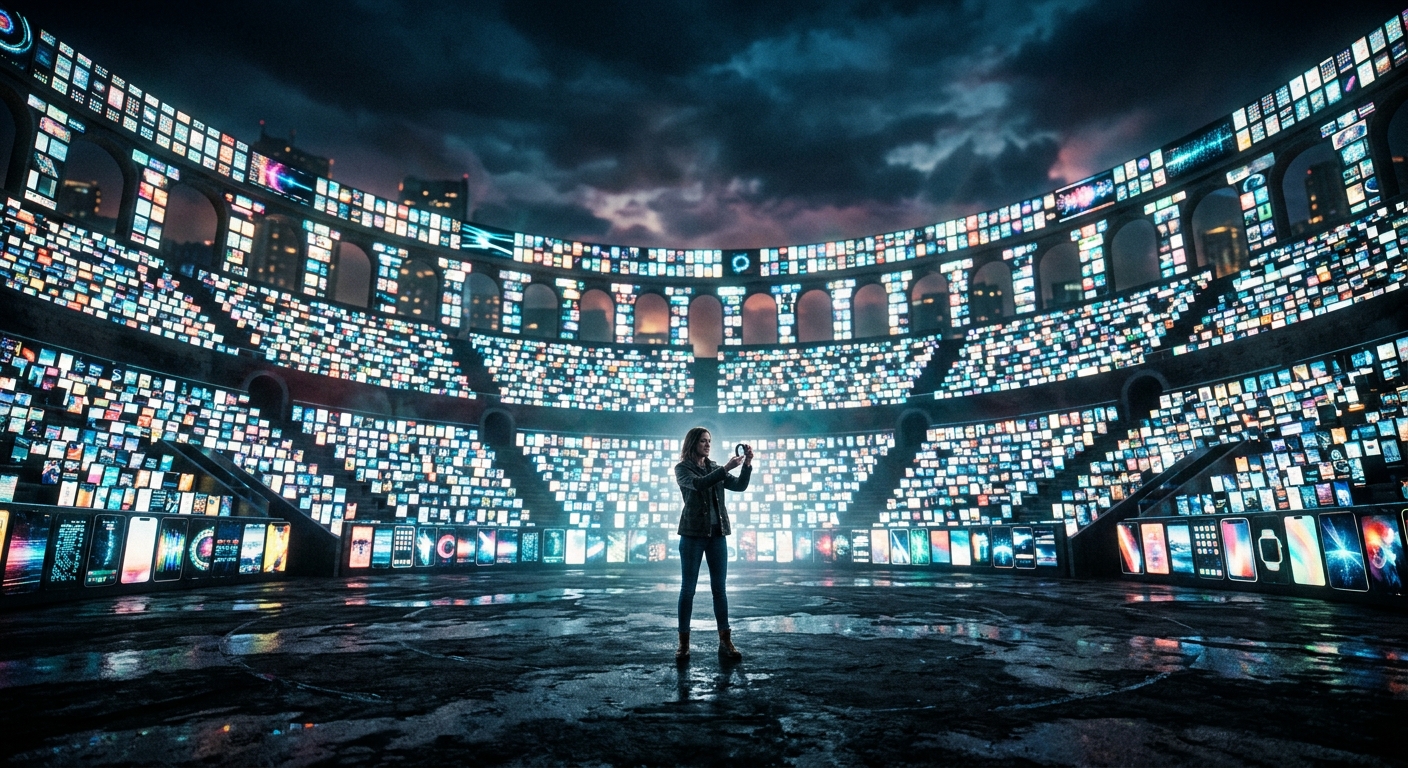
But this authenticity is manufactured. It is calculated vulnerability. Crying on camera isn’t a moment of raw human emotion; it’s a strategic move to boost engagement metrics and build a parasocial bond with the audience so they will be more likely to buy the energy drink you sponsor next week. We have reached a point where even human suffering is packaged into 60-second bite-sized chunks to feed the machine.
The audience in the Colosseum doesn’t actually care about the gladiator. They care about the spectacle. When an influencer gets canceled, the crowd rejoices. It’s the digital equivalent of a thumbs-down from the Emperor. The outrage is just another form of entertainment, another distraction from the monotony of the scroll.
The Economics of the Hustle
Who actually wins in the influencer economy? It’s not the influencers, and it’s certainly not the audience. The winners are the platforms that sell the ad space, and the corporations that get cheap, highly targeted marketing.
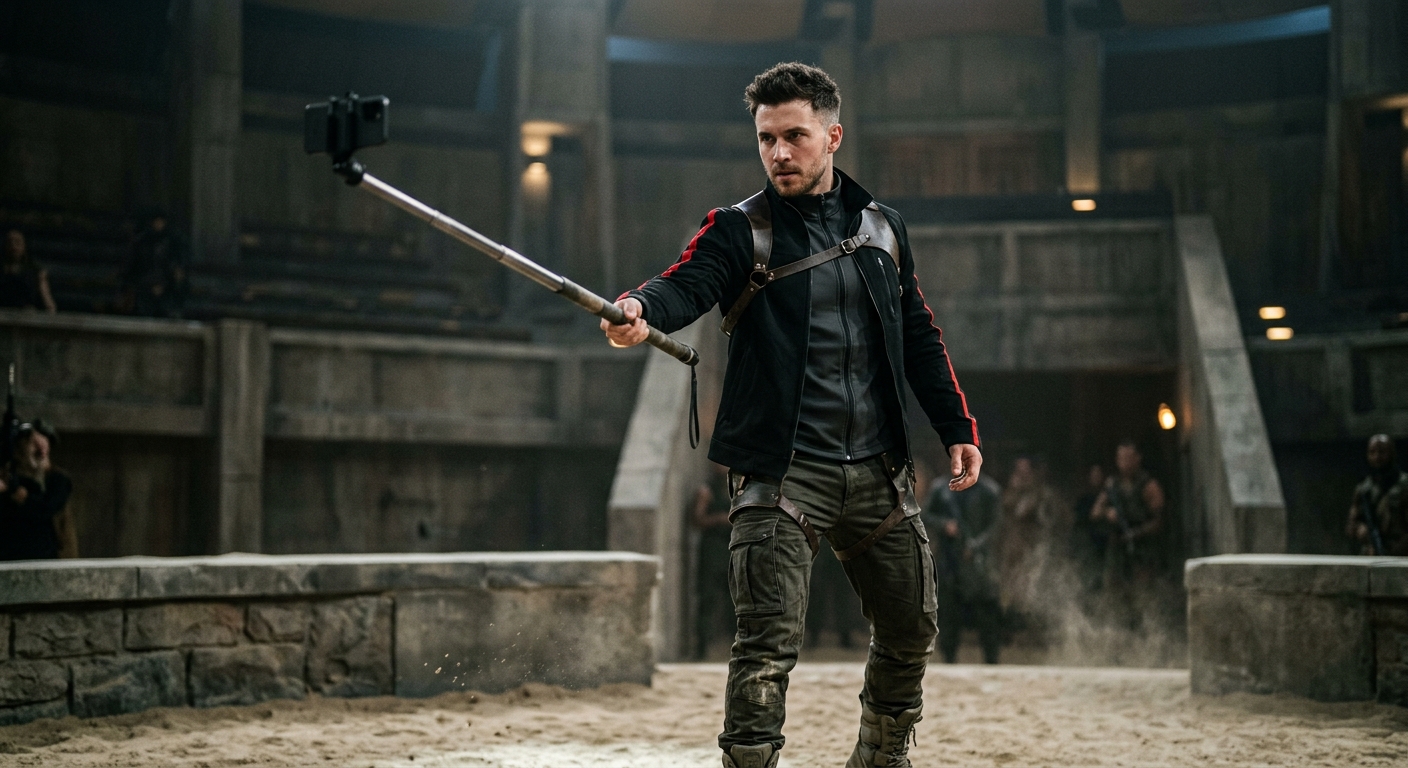
Brands realized a long time ago that they don’t need to pay millions for a Super Bowl commercial when they can send free lip gloss to a thousand desperate teenagers who will make high-quality video advertisements for them in exchange for “exposure.” Influencer culture is just the ultimate late-stage capitalist outsourcing. It transfers the cost of production onto the consumer while extracting maximum profit.
If you want to understand how deep the commodification of human life goes, and how to reclaim your autonomy from these systems, explore our other articles at Society on Chains. We examine the invisible structures that dictate our digital lives and how to break free from the performance.
Walking Out of the Arena
The digital Colosseum is a trap. It promises fame, but it delivers indentured servitude to a server rack in Silicon Valley. It takes your hobbies, your passions, and your private moments, and grinds them down into “content.”
You don’t have to be a brand. You don’t have to monetize your life. You are allowed to read a book, eat a meal, or watch a sunset without documenting it for the approval of strangers. The only way to win the gladiator fight is to put down the sword, look away from the crowd, and walk out of the arena.