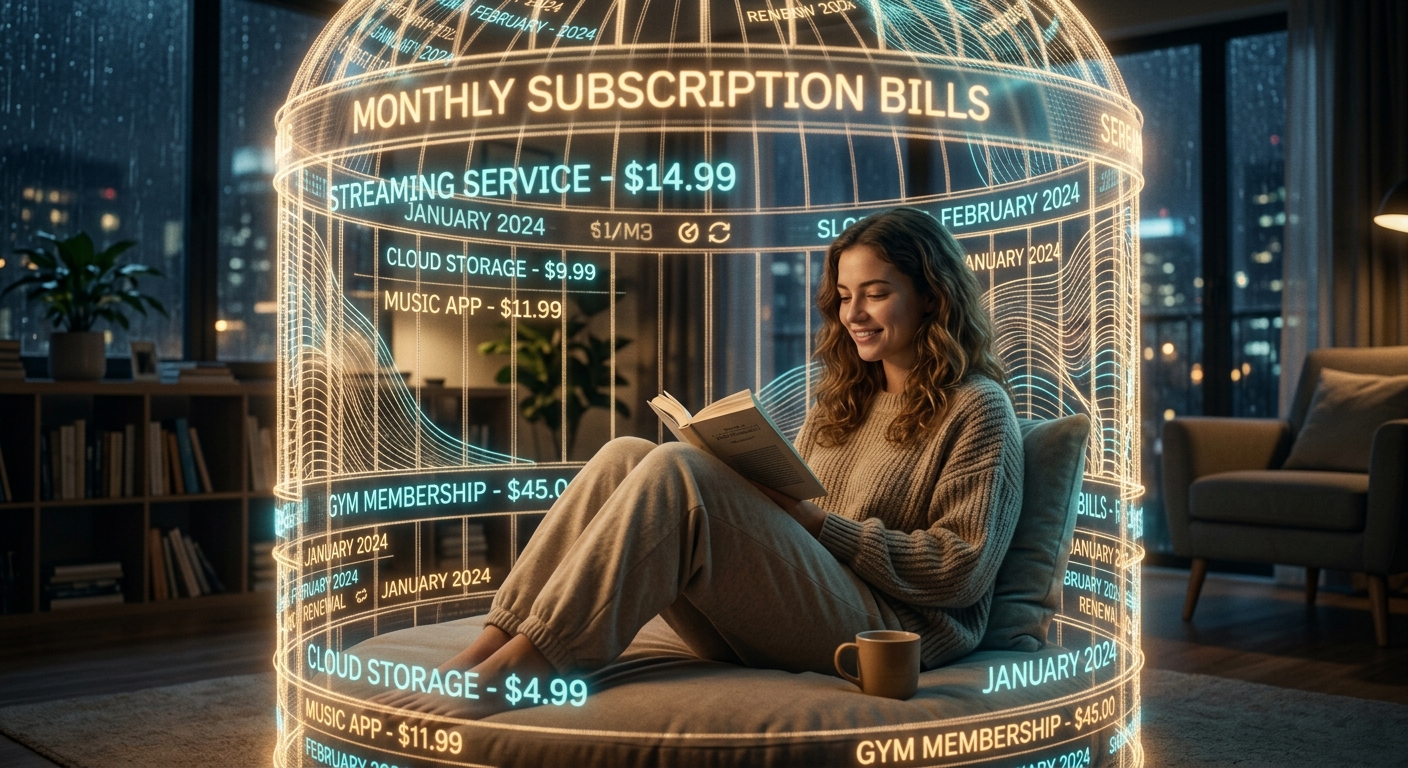
There was a time when success in America meant a white picket fence, a deed with your name on it, and the quiet satisfaction of knowing you owned your slice of the pie. Fast forward to today, and the picket fence is a micro-transaction, the deed is a monthly subscription, and your slice of the pie? Yeah, you’re just leasing that, and the landlord can revoke your access at any time.
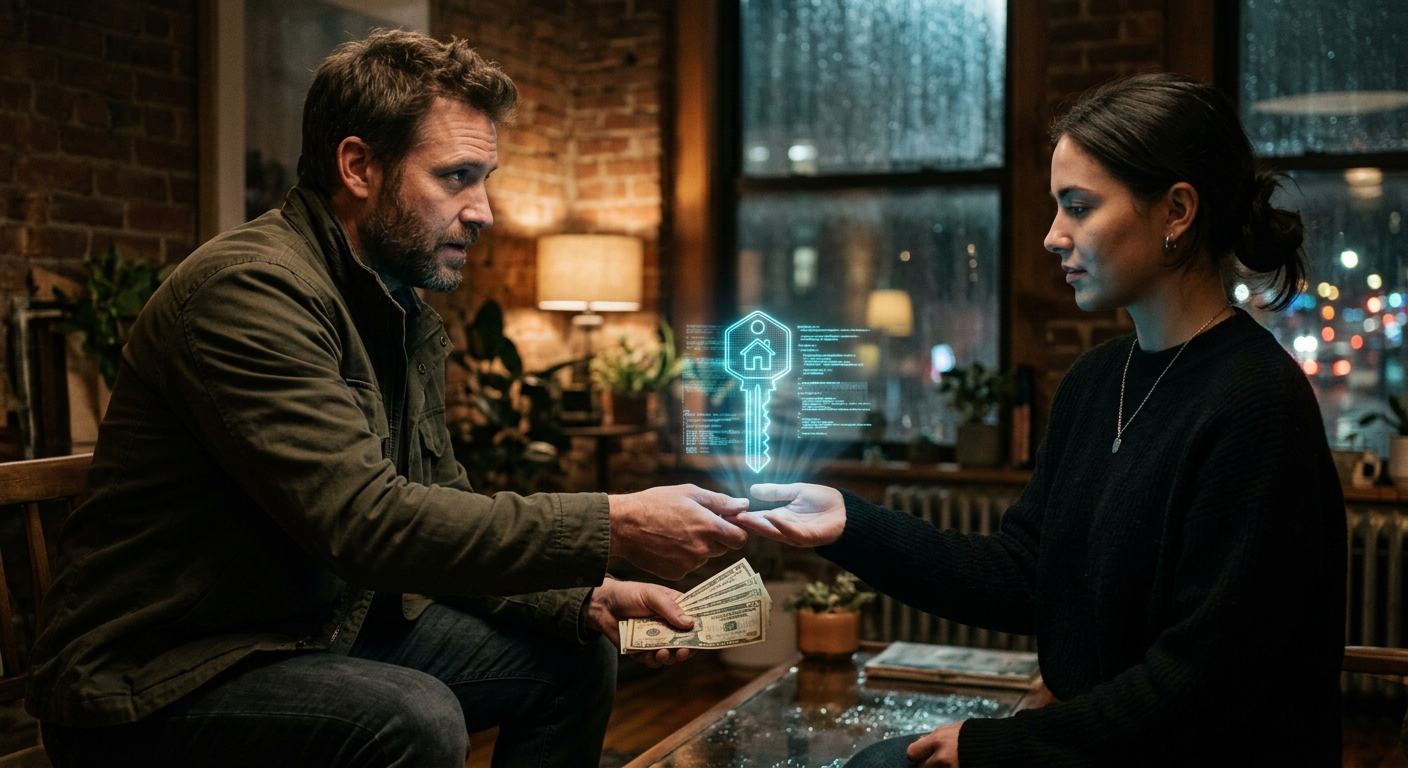
The Subscription Everything Era
We’ve been boiling like frogs in a pot of recurring payments. It started innocently enough. You didn’t want to buy a whole DVD, so you rented movies from Netflix. Cool. You didn’t want to buy CDs, so you got Spotify. Makes sense. But then the software companies realized they were leaving money on the table by selling you a product once. So Microsoft Office became a subscription. Adobe became a subscription. Even your car features are becoming subscriptions. BMW tried to charge a monthly fee to use the heated seats that were already physically installed in the car. Welcome to the future, it costs $15 a month.
You don’t own your music. You don’t own your movies. You don’t own your software. And increasingly, you don’t own your home.
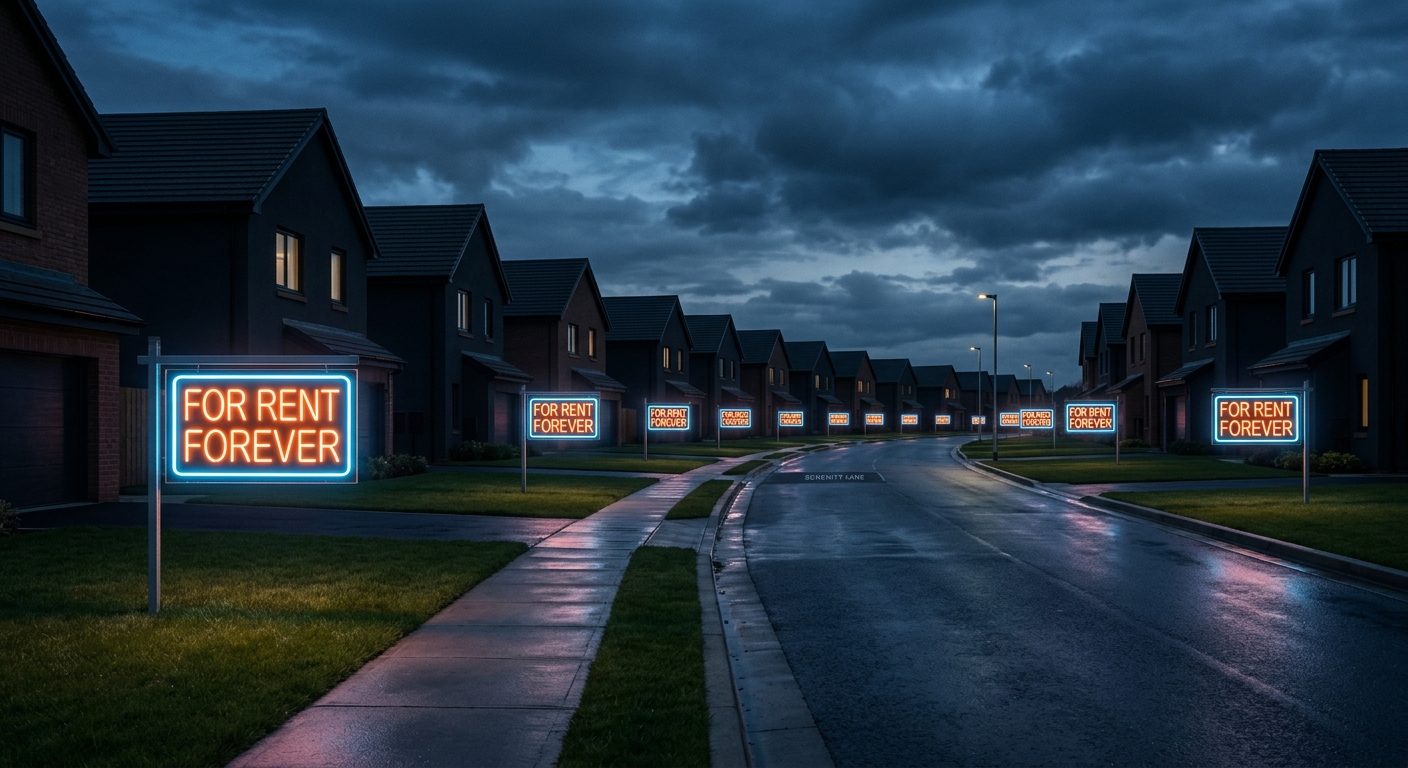
Wall Street firms are buying up single-family starter homes by the thousands, turning entire neighborhoods into permanent rental properties. Why sell you a house once when they can bleed you for rent indefinitely? It’s the ultimate business model: turn the American Dream into a service, and make you the perpetual customer.
The Golden Cage of Convenience
The trap is that it’s all so incredibly convenient. Why worry about fixing a leaky roof when the corporate landlord will send a contractor? Why worry about backing up files when the cloud handles it? We are trading our autonomy for a frictionless existence.
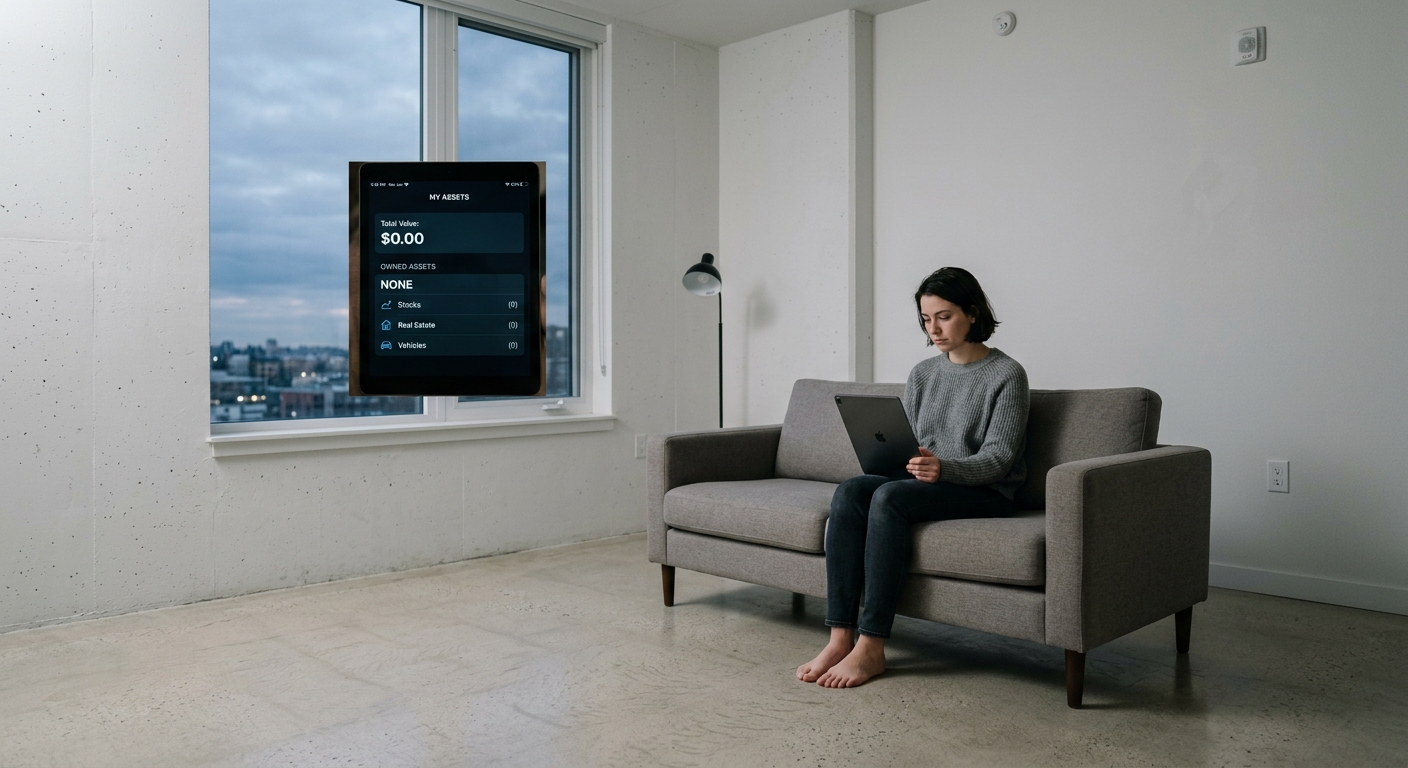
But that friction we’re so desperate to avoid? That was the friction of ownership. When you own something, you are responsible for it. It requires effort. In removing the effort, we’ve also removed the equity. You are building wealth for someone else, every single month. Your rent pays their mortgage. Your streaming fee pays for their intellectual property. You are the cash flow in someone else’s empire.
We’re told this is liberating. “You can travel! You’re not tied down to a mortgage!” they tell you, as if the inability to build generational wealth is just a fun lifestyle choice for digital nomads. It’s a brilliant marketing spin: frame a downgrade in living standards as a step forward into a sleek, minimalist future.
The Illusion of Digital Ownership
Even when you think you own something in the digital world, read the fine print. When you “buy” a movie on Amazon or Apple, you aren’t buying a file. You are buying a revocable license to access that file. If the platform loses the licensing rights, your movie disappears from your library. No refund. No apology. Poof.
You don’t own the games in your Steam library. You don’t own the books on your Kindle. You are renting access, and the moment you violate the Terms of Service, your entire digital life can be wiped out with a keystroke.
This is the ultimate centralization of power. In a world where you own nothing, the people who own everything have absolute control. If you rely on a corporation for your housing, your entertainment, your software, and your transportation, you aren’t a citizen. You’re a dependent.
How to Fight Back
Is the situation hopeless? No. But it requires waking up from the seduction of convenience. The first step is recognizing the game. Every time a company pitches you a subscription model, ask yourself: “Can I buy a physical version of this? Can I own it outright?”
Support open-source software. Buy physical media. If you can afford to, prioritize buying real estate or land over renting a luxury lifestyle. The goal isn’t to live off the grid in a cabin; the goal is to own the ground you stand on, both physically and digitally.
To dive deeper into how financial systems have evolved to keep us on the treadmill, check out our piece on Society on Chains exploring the hidden mechanisms of modern debt and algorithmic control.
Conclusion
The World Economic Forum once famously predicted, “You will own nothing, and you will be happy.” Half of that prediction is coming true. The corporate landlords and tech monopolies are making sure we own nothing. But the happiness part? That’s entirely up to us to reject.
True freedom isn’t the ability to easily cancel a subscription. True freedom is the independence that comes from ownership. Don’t rent your life. Buy it back.