There was a time when survival required actual calories to be burned. You had to hunt, gather, chop wood, and perhaps walk three miles just to speak to your neighbor. Today, you can summon a pad thai from a restaurant five miles away, have a stranger deliver it to your exact GPS coordinates, and pay for it using an invisible currency verified by your facial structure—all without standing up from the couch. Welcome to the comfort crisis, where we have engineered friction out of our lives so completely that we are forgetting how to function as independent human beings.

The Tragedy of the Frictionless Life
Silicon Valley’s ultimate selling point has always been “convenience.” It sounds like an unalloyed good. Why do something the hard way when an app can do it the easy way? But friction isn’t just an annoyance; it is the resistance training of the human spirit. When you remove all friction from a physical system, it eventually stops working. When you remove all friction from a human life, you get learned helplessness.
We are outsourcing our basic competencies at an alarming rate. We can’t navigate our own cities without a blue dot telling us when to turn left. We can’t remember phone numbers because they live in the cloud. We don’t even have to remember to buy toilet paper because Amazon has placed us on a monthly subscription drip. We are treating our brains like external hard drives and our bodies like life-support systems for our thumbs.
The tragedy is that this convenience is marketed to us as “saving time.” The premise is that if we automate the mundane tasks of daily living, we will have more time for high-level creative pursuits. But let’s be honest: you aren’t using the thirty minutes you saved by ordering DoorDash to write a symphony or learn Mandarin. You’re using it to doomscroll.
The Softening of the Species
Our biology hasn’t caught up with our technology. We evolved to deal with acute, physical stressors—like running away from a lion. When we survived, our bodies flooded with endorphins. We felt alive because we had earned the right to keep living.
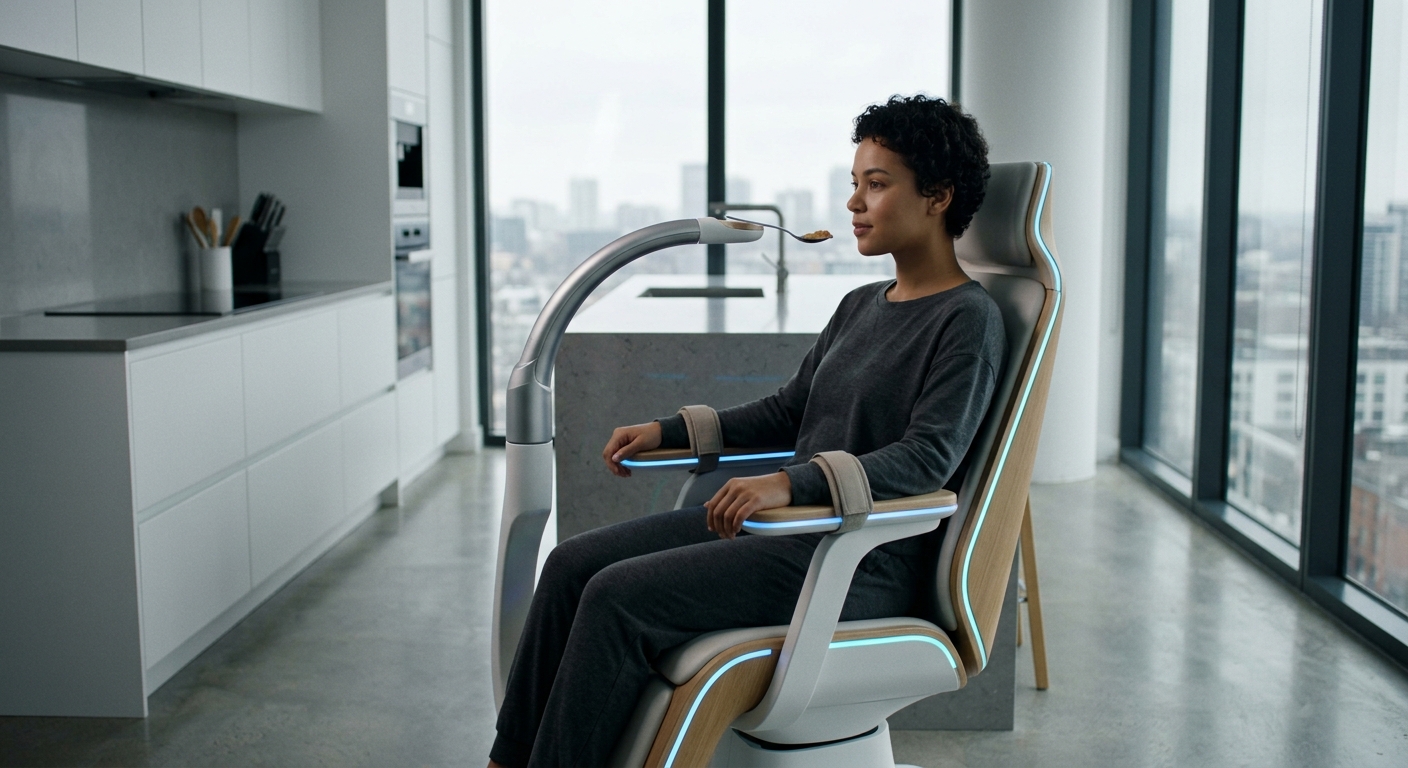
Today, the physical stressors are gone. We live in climate-controlled boxes, sleep on memory foam, and never experience true hunger. In the absence of physical challenges, our brains invent psychological ones. We replace the stress of survival with the stress of answering a Slack message at 8:30 PM. We are physically softer, but psychologically more fragile than at any point in human history.
We are like zoo animals living in a perfectly calibrated enclosure. The food arrives on schedule, the temperature is always 72 degrees, and there are no predators. But the animals pace the cage, neurotic and depressed, because they were built for the wild, not for a terrarium.
The Hidden Cost of Convenience
There is a hidden cost to all this outsourcing. When you pay a gig worker to deliver your groceries, you aren’t just paying for the bananas; you are paying to avoid the inconvenience of interacting with the physical world. You are avoiding the checkout line, the weather, the serendipity of running into an acquaintance.

We are optimizing for isolation. Every convenience app is a wall built between you and the local community. The less we have to rely on each other, the more alienated we become. The smart home isn’t a castle; it’s a sensory deprivation tank.
What happens when the grid goes down? What happens when the supply chain hiccups and the overnight delivery becomes a two-week delay? The comfort crisis has created a society that is profoundly unprepared for disruption. We have traded resilience for next-day shipping.
Reintroducing Friction
The antidote to the comfort crisis is intentional discomfort. We have to start choosing the harder path on purpose, not out of masochism, but as an act of rebellion against the algorithms that want to pacify us.
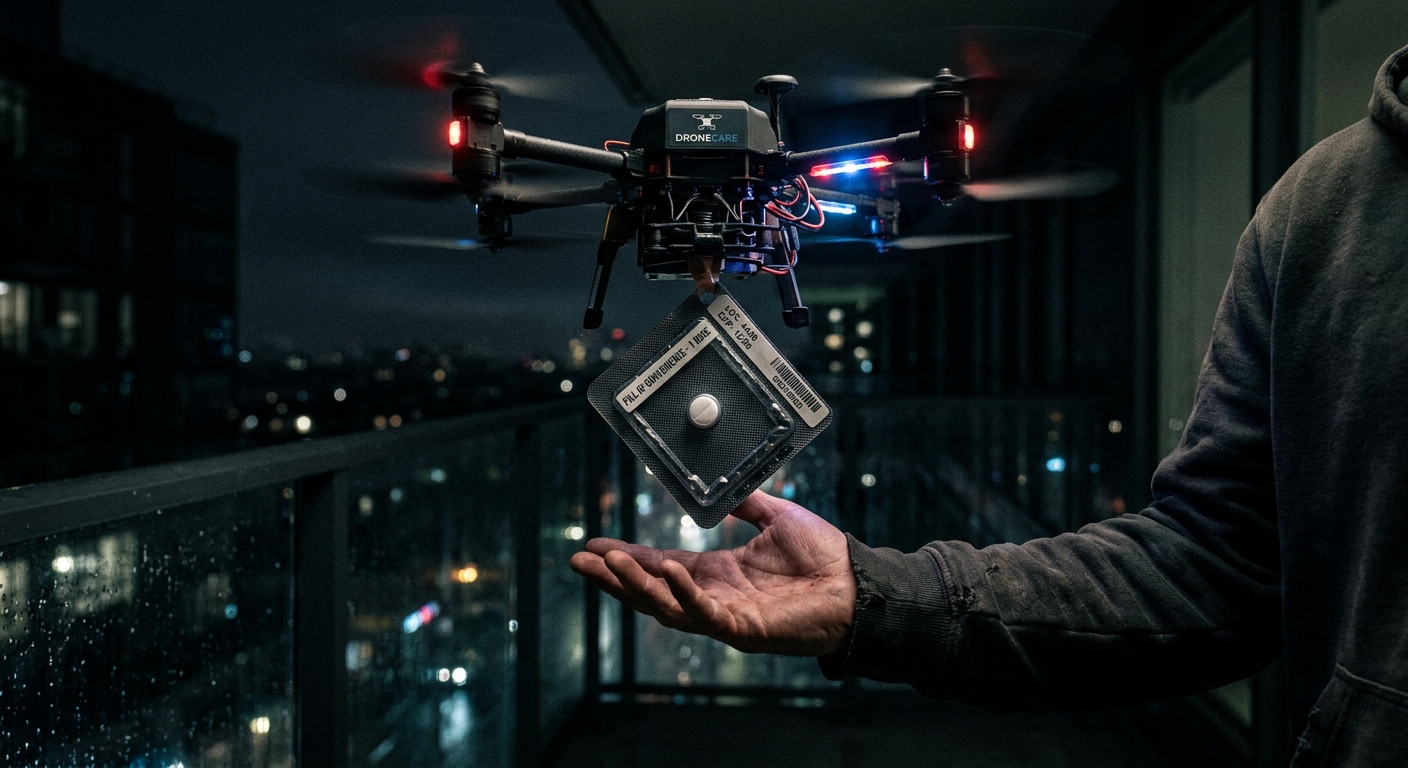
Take the stairs. Turn off the GPS and try to navigate by memory. Cook a meal from scratch using raw ingredients. Go outside and let yourself be cold for ten minutes. Walk to the store instead of tapping a button. Lift heavy things. Reclaim your physical agency in a world that wants you entirely dependent on the digital interface.
To dive deeper into how convenience is a Trojan horse for dependence, check out our piece on the Society on Chains exploring the subscription lifestyle and how we are slowly renting back our own autonomy.
The Verdict
Convenience is a drug, and Big Tech is the cartel. They know that once you get used to the friction being removed, you will pay any price to prevent it from coming back. But a life devoid of friction is a life devoid of traction. You can’t climb a mountain on a perfectly smooth surface.
It’s time to step out of the cocoon. The world is rough, unpredictable, and entirely inconvenient. And that is exactly where you belong.